 DESIRE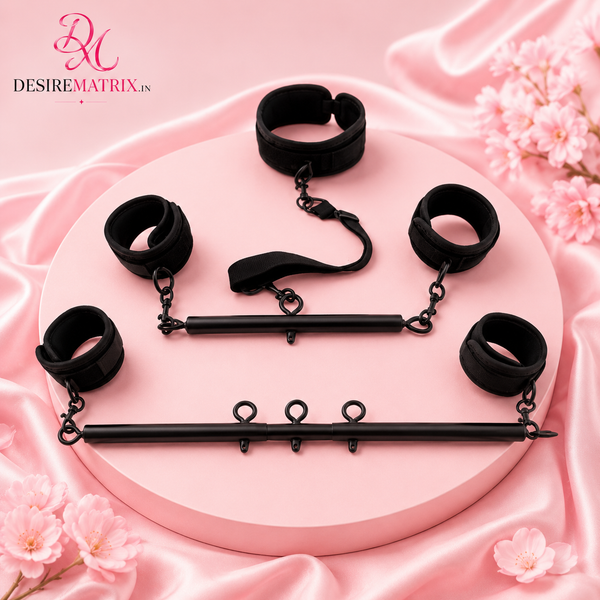
BDSM Toys
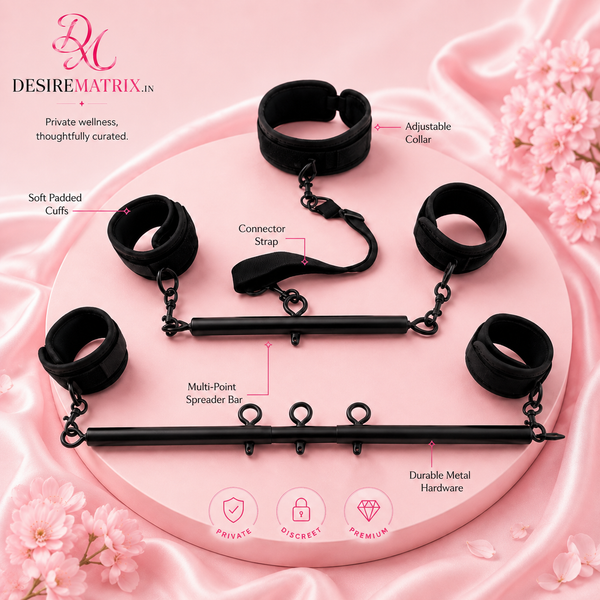
Spreader Adjustable Bar Sex Toys BDSM Bondage for Adult Couples
₹ 3,499.00₹ 3,999.0013% off
1 product
Adjustable spreader bars for bondage, with padded ankle and wrist cuffs. Bar length, adjustment range and cuff material listed on every product.
Delivered anywhere in India in plain unbranded packaging, with cash on delivery. Full guide below, including positions and the reason not to improvise one.
A spreader bar is a rigid bar with a cuff at each end, holding the ankles or wrists apart at a fixed distance.
That is a different kind of restraint from cuffs and rope. Cuffs bind limbs together or to furniture. A bar holds them apart, and the restraint is positional rather than binding.
Three practical reasons people end up buying one.
It needs no furniture. Cuffs need something to fasten to, which is a problem on a divan or a platform bed with no frame. The bar is its own anchor, so it works anywhere, including standing.
It holds a position rather than preventing movement. The sensation is openness and exposure instead of being tied down, and plenty of people find that a completely different experience from cuffs.
It is adjustable. A good bar sets to a width the person can hold comfortably, and that width is the whole variable.
Our adjustable spreader bar is ₹3,499 with padded cuffs at both ends.
Ankles apart while face down is the common one, and it is what most people buy the bar for.
Ankles apart while on the back opens the hips, and the bar rests against the thighs rather than needing to be held.
Wrists apart above the head, with the bar tethered or held, gives a very different feeling from wrists cuffed together.
And the ankle-to-wrist configuration, one ankle and the opposite wrist, is more demanding than it looks and not a starting point.
Set the width before anything is fastened. A position that feels fine for a minute often does not at ten, and hip flexibility varies far more between people than anyone expects.
Two fingers under every cuff. If you cannot slide two fingers between the cuff and the skin, it is too tight.
Release the cuffs first, then the bar. Trying to release the bar while limbs are still fastened is how people fall.
Never leave someone alone in one. A spreader bar limits balance as well as movement, and standing use in particular means a fall risk.
Watch for numbness and colour change. Pale, blue, cold or tingling means release immediately.
Agree a safe word first. Not "no" or "stop". Traffic lights work: green continue, amber ease off, red stop everything.
If either of you has hip, knee or lower back problems, this is the restraint format most likely to aggravate them. Start narrow.
A broom handle with rope at each end comes up often and it is a bad idea for specific reasons.
No padding means the full load sits on a narrow band of skin. No quick release means you cannot get someone out fast if they cramp or panic. Untreated wood splinters. And there is no adjustment, so the width is whatever the handle happens to be rather than what the person can hold.
A proper bar with padded cuffs and a quick-release buckle is ₹3,499.
Wipe the cuffs with a damp cloth and dry fully, never soaking leather or PU. The bar itself takes a wipe down.
Store dry and out of direct sunlight. Collapse or unscrew adjustable bars for storage rather than leaving them extended.
Bondage restraints for cuffs and under-bed systems. BDSM kits for multi-piece sets. Spanking paddles and mouth gags.
Plain outer box, nothing on the label about the contents. Card, UPI and cash on delivery across India. Unopened returns within 7 days. Opened intimate items cannot come back, for hygiene reasons.
1 product in Spreader Bars, shipped in plain packaging with cash on delivery across India.
Before you order
A rigid bar with a cuff at each end that holds the ankles or wrists apart at a fixed distance. Unlike cuffs, which bind limbs together or to furniture, a bar holds them apart, so the restraint is positional rather than binding.
It needs no furniture, since the bar is its own anchor and works anywhere including standing. It holds a position rather than preventing movement, which is a different sensation. And a good one adjusts to a width the person can hold comfortably.
Ankles apart face down is the common one. Ankles apart on the back opens the hips with the bar resting against the thighs. Wrists apart above the head feels very different from wrists cuffed together. Ankle-to-wrist is demanding and not a starting point.
Set the width before anything is fastened, keep two fingers of space under every cuff, and release the cuffs before the bar, since releasing the bar first is how people fall. Never leave someone alone in one.
We would not suggest it. A broom handle with rope has no padding, so load sits on a narrow band of skin; no quick release, so you cannot free someone fast; untreated wood splinters; and no adjustment, so width is whatever the handle happens to be.
Yes, at a narrow setting. It is often easier than cuffs for a first attempt because it needs no bed frame. Start narrow, because a position that feels fine for a minute often does not at ten, and hip flexibility varies more than people expect.
₹3,499 for an adjustable bar with padded cuffs at both ends, delivered anywhere in India in plain unbranded packaging with cash on delivery available.
Wipe the cuffs with a damp cloth and dry fully, never soaking leather or PU. The bar takes a wipe down. Store dry and out of sunlight, and collapse adjustable bars rather than leaving them extended.