Does masturbation make you weak?
No.
This is the most searched question on the subject in India, and the belief behind it is old and deeply held: that semen is a finite store of vital energy, and losing it drains strength.
An ejaculate is around 2 to 5 millilitres of fluid. It contains roughly 150 milligrams of protein, some fructose, zinc and enzymes. In nutritional terms that is less than a mouthful of dal. Your body replaces it continuously without you noticing, in the same way it replaces saliva.
There is no mechanism by which this weakens you, and no study has found that it does.
The anxiety is common enough in South Asia that psychiatrists have a name for it, and it is treated as a condition in its own right rather than dismissed. If worry about semen loss is affecting your sleep, concentration or mood, that is worth speaking to a doctor about. Indian doctors hear this regularly and will not be surprised or dismissive.
Why do I feel tired or sleepy afterwards?
This one is real, and it has nothing to do with weakness.
Orgasm releases prolactin, oxytocin and endorphins, and shifts the nervous system from its alert state into its rest state. That combination is sedating. It is the same reason people fall asleep after sex.
It passes within minutes to an hour. It is a normal physiological response, not a symptom of anything, and it is not evidence that something was lost.
Does masturbation cause hair loss or baldness?
No.
Male pattern baldness is genetic. It comes from inherited sensitivity of hair follicles to DHT, a hormone derived from testosterone. Whether you masturbate has no bearing on that sensitivity, and no effect on how much DHT your body produces.
The myth survives because both things tend to start in the same decade of life. Two things happening around the same age is not one causing the other.
Does it lower testosterone?
Not in any lasting way.
Testosterone moves around a little in the hours around ejaculation, and abstinence for about a week produces a small temporary rise before levels return to where they started. Neither changes your baseline.
If you are worried about low testosterone, the things that genuinely affect it are sleep, body composition, alcohol, chronic stress and certain medications. A blood test answers the question properly. Masturbation frequency does not.
Can it cause infertility?
No.
Ejaculating frequently reduces the sperm count in any single ejaculate, because the supply has less time to build between them. That is temporary and reverses within days. It is not infertility, and it does not damage your ability to father children.
If you are actively trying to conceive, fertility guidance usually suggests every two to three days rather than daily, because that balances count against sperm quality. That is optimisation, not a warning.
Does it change penis size?
No, in either direction.
It does not shrink it and it does not enlarge it. There is no mechanism for either, and nothing sold on the basis that it does is telling you the truth — our honest look at enlargement products goes through what each category actually does.
What about blindness, acne, weight and intelligence?
None of these.
Blindness is a nineteenth century invention, created to frighten people, and it has never had anything behind it.
Acne is driven by genetics, hormones, bacteria and skin oil. Studies looking for a link have not found one.
Weight. It neither makes you fat nor makes you thin. The energy involved is roughly a short walk.
Intelligence. No effect, in either direction. Both versions of this myth exist and both are wrong.
Ageing and appearance. No effect on skin, on how old you look, or on anything visible.
Does masturbating before sex help you last longer?
This one has something to it, and it is the exception on this page.
After orgasm there is a refractory period, and during it arousal builds more slowly. So for many men the second time does take longer. That is a real effect rather than folklore.
Whether it is a good strategy is another question. It depends on how long your refractory period is, and getting the timing wrong leaves you unable to get hard rather than lasting longer.
If timing is the actual concern, a lidocaine spray is the more controllable approach — our delay spray guide covers how to use one without numbing a partner, and a constriction ring is covered in our cock ring guide.
Is it healthy to do it every day?
There is no medical reason to limit frequency. No organ is depleted, no reserve runs down, and no cumulative harm has been demonstrated at any frequency.
The only useful measure is whether it is interfering with your life. If it is displacing work, sleep or relationships, or if it feels compulsive rather than chosen, that is worth talking to someone about. That is a behavioural question, not a question about the act itself.
What can actually go wrong?
Three things, all minor and all avoidable.
Friction soreness. Dry skin and repetition cause chafing. Lubricant solves it entirely, and most men who have never used any are surprised at the difference — our lubricant guide covers which types are safe with what.
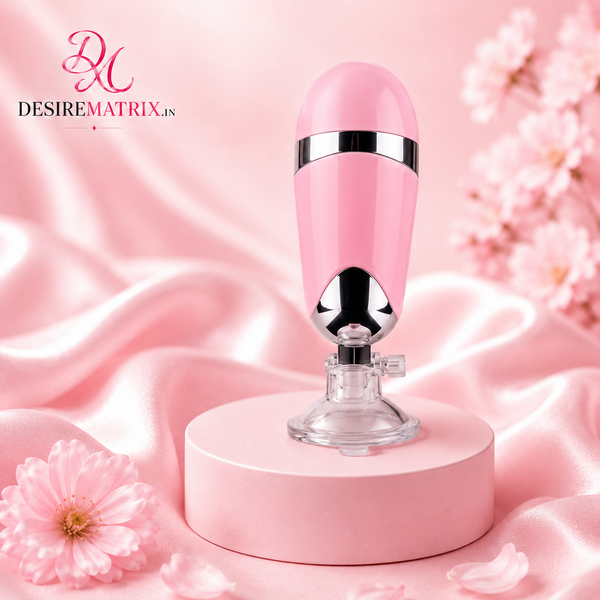
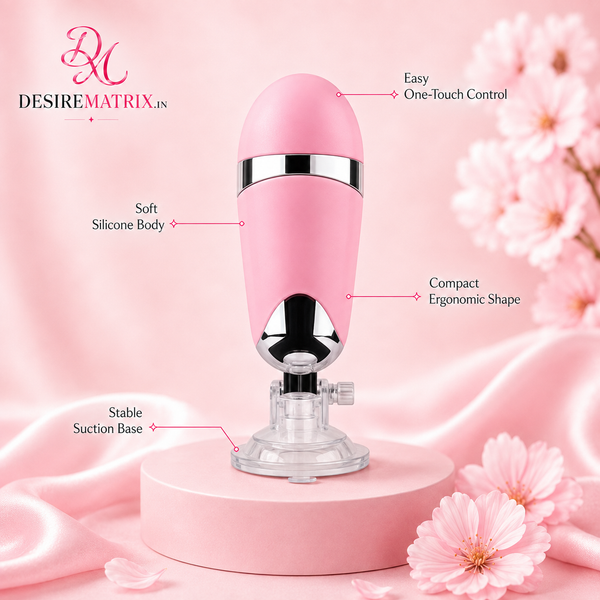
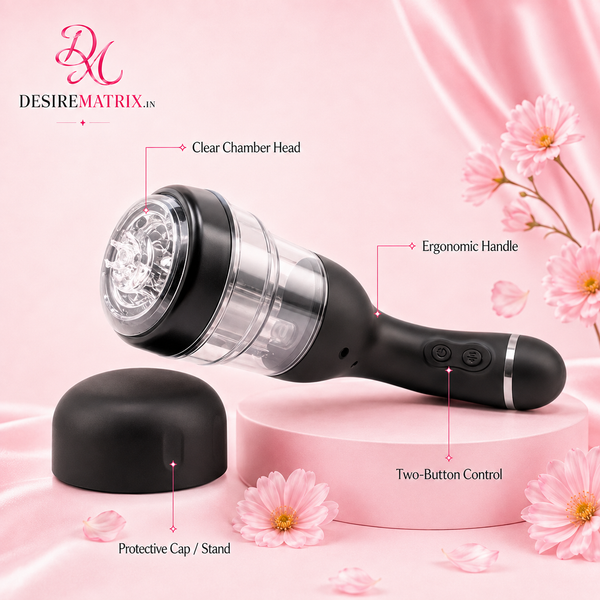
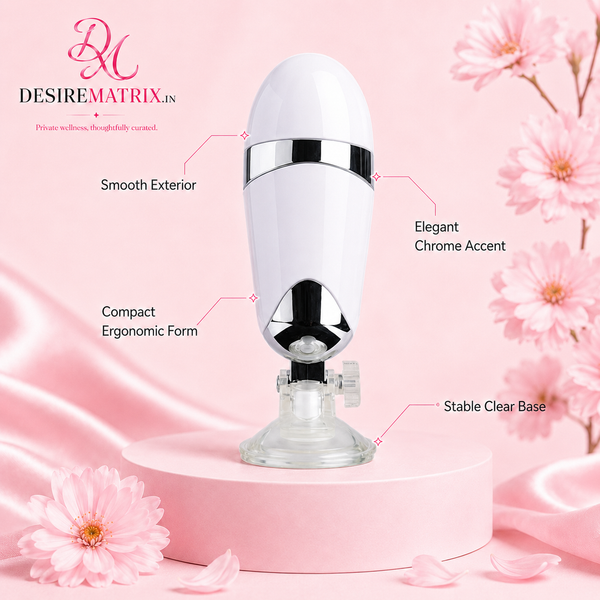
Grip pressure. Consistently gripping much harder than a partner ever could can reduce sensitivity over time. This is real, it is often called the death grip, and it reverses when you change what you do. Lighter pressure works; so does a textured sleeve, which delivers sensation through texture rather than force. Our sleeve, cup or torso guide covers the formats, starting around ₹1,899.
Hygiene. Wash your hands, and wash anything you use, before and after. That is the whole of it — and if you do use a sleeve, our cleaning routine is what makes it last.
When should you see a doctor?
Pain that persists, blood, a sore that does not heal, or difficulty getting or keeping an erection are all worth an appointment. Erection difficulty in particular is often an early sign of something cardiovascular, and catching it early matters — our pump guide covers the non-drug device used clinically for it.
And if the anxiety itself is the problem, that is a legitimate reason to see someone. Persistent worry about semen loss is recognised, common, and treatable. It is not something to sit with alone.
This article is general information, not medical advice. For anything specific to you, speak to a qualified doctor.
 DESIRE